
Writ of Possession vs. Eviction Notice in Austin, Texas: What Landlords Need to Know About Property Cleanouts
Updated: Jul 10
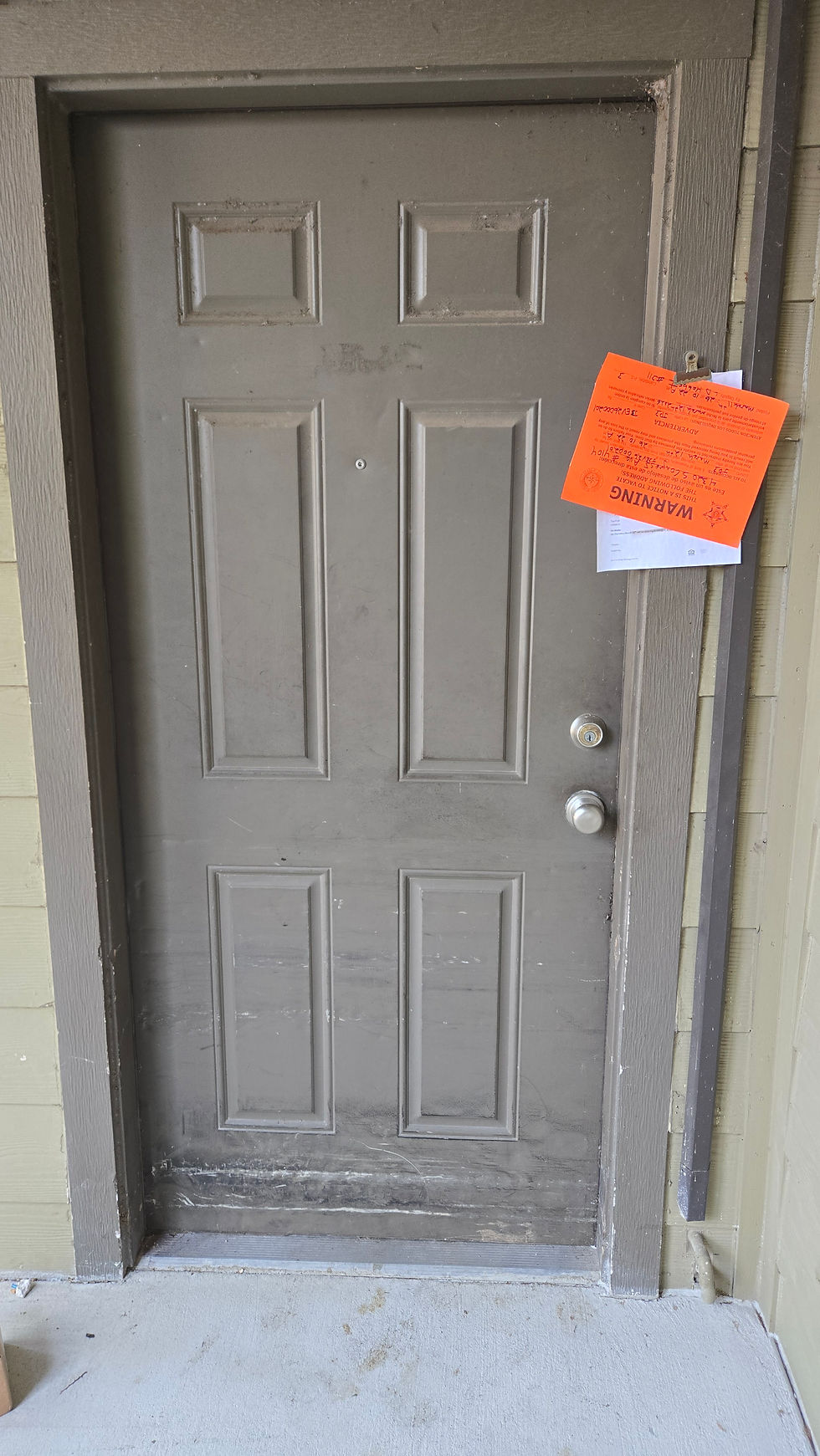
The constable just posted that bright orange sticker on your rental property's front door, and now you're staring at a 24-hour countdown until you can finally reclaim your unit.
Or maybe you're earlier in the process, having just served a three-day notice to vacate and wondering what comes next if your tenant doesn't leave voluntarily.
Either way, you're navigating one of the most stressful aspects of property management—the legal process of removing a tenant and dealing with whatever they leave behind.
Understanding the difference between an eviction notice and a writ of possession isn't just legal knowledge; it's essential information that determines when and how you can clear your property without exposing yourself to liability.
At IREP Junk Removal, we've worked alongside landlords, property managers, and constables throughout Travis County and the greater Austin area since 2012. Our crews have handled hundreds of writs of possession cleanouts, and we understand the precise timing and legal requirements that govern when belongings can be removed from a property.
As a woman-owned, family-operated company, we take pride in making this difficult process as smooth as possible—arriving on time, working efficiently under constant supervision, and ensuring everything is handled properly from the moment items hit the curb until final removal 24 hours later.
This comprehensive guide walks you through the complete eviction and writ of possession process in Texas, including the significant changes brought by Senate Bill 38 in 2025.
Whether you're a first-time landlord in Pflugerville dealing with your first non-paying tenant or a seasoned property manager in Round Rock who needs a reliable junk removal partner for writ executions, you'll find practical information to help you navigate this process legally and efficiently.
You can even watch our livestream presentation about this.
Understanding the Eviction Process in Texas
The eviction process in Texas follows a structured legal pathway that landlords must follow precisely to avoid delays or potential lawsuits. According to the Texas State Law Library's landlord-tenant guidelines, this process begins well before any court involvement and includes specific notice requirements, filing procedures, and waiting periods that protect both landlord and tenant rights.
Skipping steps or acting prematurely can void your entire case and force you to start over, costing valuable time and money while your property sits occupied by a non-paying or problematic tenant.
The journey starts with a notice to vacate, which Texas law requires before any eviction suit can be filed. Unless your lease specifies a different timeframe, landlords must provide tenants with at least three days' written notice to leave the property. This notice doesn't need to state a reason—simply informing the tenant that they must vacate within the specified period satisfies legal requirements.
The notice can be delivered in person, sent by mail, or posted on the inside of the main entry door if the tenant cannot be reached directly. Properties participating in federal housing programs or those with federally backed mortgages may require 30-day notices under the CARES Act, so landlords should verify their specific requirements before proceeding.
If the tenant doesn't vacate after receiving proper notice, the landlord can file an eviction suit (also called a forcible detainer suit) in the Justice of the Peace court where the property is located.
The court will schedule a hearing no sooner than ten days after filing, giving both parties time to prepare. At the hearing, landlords present evidence of lease violations—whether unpaid rent, property damage, unauthorized occupants, or other breaches—while tenants have the opportunity to present defenses. If the judge rules in the landlord's favor, a judgment for possession is entered.
However, this judgment doesn't mean the tenant must leave immediately; additional steps remain before the landlord can physically reclaim the property.

What Is a Writ of Possession and How Does It Differ from an Eviction Notice
A writ of possession represents the final legal document in the Texas eviction process—a court order that authorizes law enforcement to physically remove a tenant and their belongings from your property.
While an eviction notice is simply a communication from landlord to tenant requesting they leave, and an eviction judgment is a court ruling determining who has the right to possess the property, the writ of possession is the enforcement mechanism that actually transfers physical control back to the landlord. Many people confuse these terms, but understanding the distinction is crucial for knowing exactly when you can take action regarding abandoned property.
After winning an eviction judgment, tenants have five days to appeal the decision. During this appeal window, landlords cannot request a writ of possession, and tenants retain the legal right to remain in the property. Only after these five days pass without an appeal—or after an appeal is resolved in the landlord's favor—can landlords request the writ from the court.
Under Texas Property Code Section 24.0061, a writ of possession cannot be issued before the sixth day after the judgment for possession is rendered. Once requested, courts typically issue the writ within hours to a few days, then forward it to the constable's office for execution.
The constable's timeline for executing the writ depends on their workload and scheduling procedures. In Travis and Williamson counties, constables are generally efficient, often scheduling execution within one to two weeks of receiving the writ.
Senate Bill 38, which took effect January 1, 2026, now requires constables to execute writs within three business days of receipt, with landlords permitted to use other qualified law enforcement if this deadline isn't met. Before execution, the constable must post a written 24-hour warning on the property's front door, giving tenants one final opportunity to vacate voluntarily.
This warning specifies the exact date and time the writ will be executed—the moment when the landlord can finally reclaim possession.
The Day of Writ Execution: What to Expect
Writ execution day requires careful preparation and coordination between landlords, constables, and any junk removal services involved. The constable arrives at the scheduled time to supervise the process and ensure everything proceeds legally and safely.
Their presence protects both landlords from claims of illegal lockout and ensures any remaining occupants are removed without confrontation. Landlords or their representatives must be present with new locks ready to be installed—constables will not execute the writ unless locks can be changed immediately after the tenant's removal.
Landlords must provide sufficient labor to remove all belongings from the property within the constable's allotted timeframe, typically two to four hours, depending on the jurisdiction and property size. For larger properties or units with significant contents, this may require bringing multiple workers or partnering with a professional trash-out service experienced in writ executions.
Everything inside the property—furniture, appliances, clothing, personal items, and accumulated belongings—must be moved to public property such as the sidewalk or yard. The tenant and anyone else then have 24 hours to retrieve whatever they want from these items before final removal can occur.
During execution, the constable ensures no violence or confrontation occurs. If tenants are present and refuse to leave, the constable has the authority to physically remove them from the property. Once all belongings are outside and locks are changed, the landlord takes legal possession.
Any attempts by the former tenant to re-enter after this point constitute criminal trespass. IREP crews have participated in countless writ executions throughout Austin, and constables regularly comment on our efficiency and professionalism. We understand the time pressure and legal requirements, working quickly to clear properties while the constable supervises, then returning 24 hours later to remove whatever remains.
Texas Senate Bill 38: How 2025 Changes Affect Writ of Possession Procedures
Texas Senate Bill 38, signed by Governor Greg Abbott in June 2025 and effective January 1, 2026, represents the most significant reform to Texas eviction procedures in years. While primarily targeting unauthorized occupants and squatters, the legislation includes provisions affecting all eviction and writ of possession proceedings throughout the state. Property managers and landlords in Austin should understand these changes to ensure compliance and take advantage of streamlined procedures where applicable.
The new law establishes tighter timelines for writ execution. Constables now have three business days to execute a writ of possession after receiving it from the court. If law enforcement fails to meet this deadline, landlords may engage other qualified officers to complete the execution.
This provision addresses longstanding complaints from property owners who faced weeks-long waits for constables with heavy caseloads. For landlords dealing with property management turnovers, these compressed timelines mean a faster return to rent-ready status and reduced vacancy losses.
SB 38 also clarifies appeal procedures and payment requirements. Tenants appealing eviction judgments must pay a minimum of $250 into the court registry, and failure to continue rent payments during appeal can result in immediate writ issuance.
The legislation creates expedited processes for removing squatters—individuals occupying property without any lease or legal right—with hearings possible within days rather than weeks.
While these squatter provisions don't directly affect standard landlord-tenant evictions, they reflect Texas's broader movement toward faster resolution of property possession disputes. Understanding these changes helps landlords work more effectively with courts, constables, and service providers throughout the eviction process.
A portion about this in our webinar.
Items Commonly Left Behind After Writ Execution
The volume and variety of belongings left behind after writ executions often surprise landlords, even those with extensive property management experience. Tenants facing forced removal rarely have time, resources, or motivation to take everything with them.
Furniture tops the list—sofas, beds, dressers, dining tables, desks, and entertainment centers that tenants either couldn't move or simply abandoned. Large appliances, including refrigerators (often containing spoiled food), washers, dryers, and stoves, frequently remain, sometimes belonging to the tenant and sometimes fixtures that came with the unit.
Electronics accumulate in significant quantities during writ cleanouts. Televisions, computers, gaming systems, printers, and countless smaller devices get left behind when tenants depart under duress.
Personal belongings fill boxes and bags—clothing, children's toys, kitchenware, books, photographs, and accumulated household items spanning years of residence.
Hoarding situations present extreme cases where properties contain floor-to-ceiling accumulations requiring specialized approaches and extended cleaning time. We've developed guidance for handling these sensitive situations with both efficiency and compassion.
Beyond typical household contents, writ cleanouts sometimes reveal more challenging materials. Accumulated garbage, pest-infested items, hazardous materials like old paint or cleaning chemicals, and occasionally contraband requiring special handling all appear during property clearances.
Texas law has specific requirements regarding items like drugs or pornography discovered during writ execution—professional services familiar with these regulations ensure proper handling. Our crews arrive prepared for whatever they find, with the equipment, training, and disposal connections to handle standard cleanouts as well as more complex situations requiring extra care and responsible disposal practices.
Another portion from Kelly, Owner, at the webinar talking about our services.
The 24-Hour Rule: Managing Tenant Belongings After Removal
Once belongings are placed on public property during writ execution, Texas law gives former tenants—and anyone else—24 hours to retrieve whatever they want. This waiting period exists to protect tenant property rights while giving landlords a defined endpoint after which remaining items can be permanently removed.
During these 24 hours, landlords cannot prevent the former tenant or others from taking items, though any attempt to re-enter the secured property constitutes criminal trespass. Understanding and respecting this timeline protects landlords from potential liability claims.
Many landlords schedule junk removal services for exactly 24 hours after writ execution to ensure immediate clearance once the waiting period expires. This approach minimizes the time belongings sit on the curb or lawn—avoiding neighbor complaints, HOA violations, and potential city code enforcement issues.
Weather considerations also factor into timing; items exposed to rain or extreme heat deteriorate quickly, potentially creating additional mess and cleanup requirements. Planning removal to occur immediately after the 24-hour window closes gets your property back on track toward rent-ready status as quickly as legally possible.
IREP handles the complete writ of possession process from execution day through final cleanup. We can arrive during writ execution to move belongings out under constable supervision, then return exactly 24 hours later to remove everything remaining.
This two-stage approach ensures full legal compliance while minimizing your involvement in the physical labor. After removal, our sorting process identifies items suitable for donation to local charities, recyclable materials for proper processing, and remaining waste for responsible disposal. Even in these time-pressured situations, we maintain our commitment to diverting over 60% of materials from landfills.

Cost Considerations for Writ of Possession Cleanouts
The financial impact of eviction extends well beyond court filing fees and legal costs. Property owners must budget for writ execution day labor, lock changes, junk removal services, and property restoration before the unit can generate income again. Understanding these costs helps landlords plan appropriately and make informed decisions about service providers. The average cost of tenant turnover ranges from $1,750 to over $5,000 when combining all expenses, making efficient execution crucial for minimizing financial impact.
Junk removal costs for writ executions depend on the volume of belongings, property size, accessibility factors, and whether specialized handling is required. A studio apartment with minimal contents might cost a few hundred dollars to clear, while a large single-family home packed with years of accumulated belongings could require significantly more resources.
The two-stage nature of writ cleanouts—initial removal during execution, followed by final cleanup 24 hours later—may affect pricing structures. Professional services experienced with writ executions understand these requirements and price accordingly, with no surprise charges for the return visit.
Attempting to handle writ cleanouts without professional help often proves more expensive than anticipated. According to the Texas Apartment Association's property management resources, landlords who coordinate their own cleanouts spend significant time away from other responsibilities, risk injury during physical labor, and often face higher disposal costs when using multiple trips to landfills or rented dumpsters.
Professional services like IREP provide predictable, all-inclusive pricing, pr

oper insurance coverage, and the efficiency that comes from handling hundreds of similar situations. For property managers handling multiple evictions annually, establishing a reliable junk removal partnership creates operational efficiency that compounds over time.
Why Austin Property Professionals Choose IREP for Writ Cleanouts
IREP Junk Removal has built strong relationships with landlords, property managers, constables, and real estate professionals throughout Travis, Williamson, Hays, and Bastrop counties.
Our reputation in the writ of possession cleanout market stems from consistent delivery on the factors that matter most: reliable scheduling, efficient execution, transparent pricing, and full compliance with legal requirements. When constables mention they're impressed with a junk removal crew's performance, landlords take notice—and those endorsements have driven significant referral business over our years of operation.
Our crews understand the precise timing requirements of writ executions. We arrive when scheduled, work efficiently under constable supervision, and coordinate seamlessly for the 24-hour return visit.
Unlike general junk removal services unfamiliar with eviction procedures, we know the rules about what can be handled and when. We've seen the full range of writ situations—from simple apartment cleanouts to estate-level accumulations in Georgetown and luxury property turnovers in Westlake—and approach each with the same professionalism regardless of scale.
As a local, woman-owned business committed to recycling everything possible, we bring values beyond just fast service. Items removed during writ cleanouts get sorted for donation, recycling, or proper disposal rather than simply dumped in landfills. This environmental commitment aligns with Austin's sustainability goals and reflects our belief that even difficult situations like evictions can be handled responsibly.
Our community partnerships through Austin Gives ensure usable items help local families rather than becoming waste. For landlords seeking a writ cleanout partner who combines speed, reliability, and responsibility, IREP delivers on all fronts.

Frequently Asked Questions About Writs of Possession in Austin
What's the difference between an eviction notice and a writ of possession?
An eviction notice (notice to vacate) is a written communication from landlord to tenant requiring them to leave within a specified timeframe, typically three days in Texas. A writ of possession is a court order issued after the landlord wins an eviction lawsuit and the appeal period expires, authorizing law enforcement to physically remove the tenant and their belongings. The notice starts the process; the writ ends it with legal enforcement.
How long does the entire eviction process take in Texas?
The complete eviction process typically takes three to six weeks from initial notice to writ execution, depending on court schedules and whether tenants appeal. The timeline includes: 3-day notice to vacate, 10+ days minimum before hearing after filing, 5-day appeal period after judgment, then scheduling with the constable for writ execution. SB 38's new provisions may compress some timelines in certain situations.
Can I remove tenant belongings immediately after winning the eviction judgment?
No. You must wait until after the five-day appeal period expires, then request and receive a writ of possession, and finally wait for the constable to execute the writ with proper 24-hour posted notice. Removing belongings before completing this process exposes you to significant legal liability, potentially including claims for wrongful eviction and property damage.
What happens to belongings placed outside during writ execution?
Texas law gives former tenants 24 hours to retrieve belongings placed on public property during writ execution. During this period, anyone can take items from the pile. After 24 hours, remaining items are considered abandoned and can be removed by the landlord or their junk removal service. The landlord is not responsible for storing or protecting these items.
Do I need to be present during writ execution?
Yes, the landlord or their authorized representative must be present during writ execution. You must bring new locks to install immediately after the tenant's removal—constables will not execute the writ unless locks can be changed on site. You also need sufficient labor to remove all belongings within the constable's timeframe, typically two to four hours.
Can IREP handle both stages of a writ of possession cleanout?
Absolutely. We provide complete writ of possession services, including initial removal during execution day under constable supervision, then returning exactly 24 hours later to remove everything remaining. This two-stage approach ensures full legal compliance while minimizing your involvement. We coordinate timing directly with landlords and can work with constable schedules throughout Travis County and the surrounding areas.
What if the tenant leaves before the writ is executed?
If the tenant vacates voluntarily before writ execution, you may not need to proceed with the writ (and its associated fees). Texas law allows landlords to post a 48-hour notice of abandonment, then take possession and remove remaining belongings. However, verify the property is truly abandoned before proceeding—check for signs of occupancy, utility status, and consider taking photos as documentation.
Get Professional Help with Your Writ of Possession Cleanout
Navigating the eviction and writ of possession process requires careful attention to legal requirements, precise timing, and efficient execution. The difference between a smooth property recovery and a costly mistake often comes down to working with experienced professionals who understand every step of the process. From the moment the constable posts that 24-hour notice until the final item is removed from your property, having reliable partners makes all the difference in getting your unit back to income-generating status.
At IREP Junk Removal, we've been helping Austin-area landlords and property managers with writ of possession and eviction cleanouts since 2012. As a local, woman-owned company, we understand the challenges property owners face during these difficult situations. Our crews arrive when scheduled, work efficiently under constable supervision, handle the 24-hour return visit seamlessly, and ensure everything is disposed of responsibly. Constables throughout Travis County know our team and trust our professionalism.
Ready to schedule your writ of possession cleanout or discuss your upcoming eviction situation? Contact IREP Junk Removal today at (512) 587-2186 for a free consultation. We guarantee arrival within 24-48 hours for standard requests, with same-day service available for urgent situations. Let us show you why Austin's landlords and property managers trust IREP for reliable, professional eviction cleanout services that get your properties back to work.


Comments